Exploring Geometric Symmetry with Animal Mandalas
Geometric symmetry is a fundamental concept in mathematics that finds its way into many aspects of art, design, and nature. One of the most engaging ways to explore this idea is through Geometric Symmetry Animals Mandala. These mandalas combine the beauty of geometric patterns with the charm of animals, making them an excellent resource for learning about symmetry in a fun and interactive way.
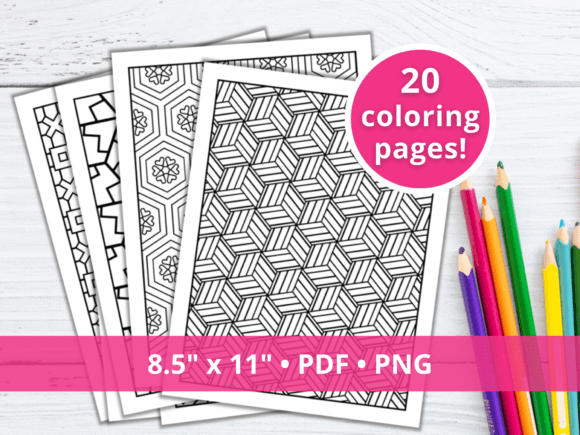
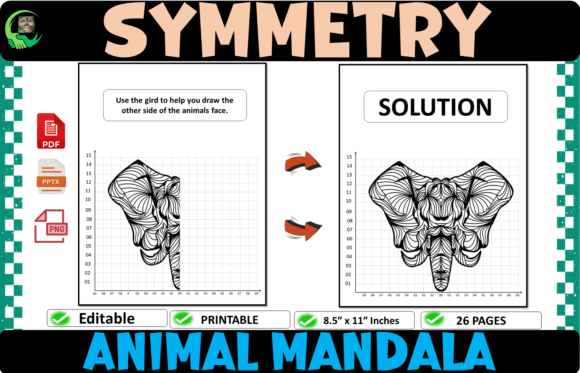
Symmetrical animal mandala worksheets are designed to help students understand the principles of symmetry by drawing and coloring geometric animals. Each worksheet features a variety of creatures, from simple shapes like circles and triangles to more complex designs involving multiple lines of symmetry. This approach not only reinforces mathematical concepts but also encourages creativity and attention to detail.
The Educational Value of Symmetric Wonders
Using Geometric Symmetry Animals Mandala as an educational tool offers numerous benefits. It helps learners develop spatial reasoning skills, which are essential in fields such as architecture, engineering, and graphic design. By identifying lines of symmetry within each animal, students gain a deeper understanding of how balance and proportion work in both natural and man-made structures.
These worksheets can be used in various settings, including classrooms, homeschooling environments, or even as a personal hobby. They provide a hands-on experience that allows learners to apply theoretical knowledge in a practical context. For instance, when working on a mandala featuring a butterfly, students must ensure that both wings mirror each other perfectly, reinforcing the concept of reflection symmetry.
How to Use Math Drawing and Coloring Worksheets
Math Drawing and Coloring Worksheets are versatile resources that cater to different learning styles. Visual learners benefit from seeing the patterns and relationships between shapes, while kinesthetic learners enjoy the tactile experience of drawing and coloring. Teachers can incorporate these worksheets into their lesson plans to reinforce geometry topics such as angles, polygons, and transformations.
One effective method is to start with simple shapes and gradually introduce more complex ones. For example, students might begin by creating symmetrical patterns using basic shapes like squares and triangles before moving on to more intricate designs involving multiple lines of symmetry. This step-by-step approach ensures that learners build confidence and competence at their own pace.
- Begin with simple shapes and progress to more complex ones
- Use tracing techniques to help students understand line placement
- Incorporate real-life examples to make the concepts more relatable
Practical Applications of Symmetry in Everyday Life
Understanding symmetry isn't just about academic success; it has real-world applications too. From architecture to fashion, symmetry plays a crucial role in design. Architects use symmetrical elements to create visually appealing buildings, while fashion designers rely on symmetry to craft balanced and aesthetically pleasing garments.
Geometric Symmetry Animals Mandala worksheets can help students recognize these applications by showing how symmetry is present in nature and human creations alike. For instance, the pattern of a snowflake or the structure of a flower often exhibits radial symmetry, much like the mandalas featured in these worksheets.
By exploring these connections, students can appreciate how mathematical concepts influence the world around them. This appreciation fosters a greater interest in STEM subjects and encourages lifelong learning.
Enhancing Learning Through Interactive Activities
Exploring Geometry with Geometric Animals Worksheet is more than just a learning tool—it's an interactive experience that brings math to life. The process of drawing and coloring symmetrical animals allows students to engage with mathematical concepts in a way that feels meaningful and enjoyable.
Teachers can enhance this experience by incorporating group activities or competitions. For example, students could work in pairs to create symmetrical animal mandalas and then present their work to the class. This collaborative approach promotes teamwork and communication skills while reinforcing mathematical understanding.
- Encourage group work to foster collaboration
- Host a symmetry showcase where students display their completed mandalas
- Integrate technology by using digital tools to create and analyze symmetrical patterns
Additionally, digital tools can be used to extend the learning experience. Many online platforms offer interactive symmetry games and apps that allow students to experiment with different types of symmetry in a virtual environment. These tools complement traditional worksheets by providing a dynamic and engaging way to explore geometric concepts.
Why Choose Symmetrical Animal Mandalas?
Geometric Symmetry Animals Mandala stands out as a unique and effective educational resource due to its ability to blend art and mathematics seamlessly. Unlike traditional math problems that focus solely on numbers and equations, these worksheets encourage creative thinking and artistic expression.
They are particularly beneficial for students who may struggle with conventional math instruction. The visual and tactile nature of mandalas makes abstract concepts more accessible, helping students grasp difficult ideas through hands-on exploration. Moreover, the inclusion of animals adds an element of fun and intrigue, making the learning process more enjoyable.
For educators, these worksheets provide an innovative way to teach geometry without relying solely on textbooks and lectures. They can be used as supplementary materials to reinforce key concepts or as standalone activities that promote independent learning.
Ultimately, Geometric Symmetry Animals Mandala is more than just a worksheet—it's an adventure in learning where math comes to life through the captivating world of animals and geometry. Whether used in a classroom setting or at home, these resources offer a valuable opportunity to explore the beauty of symmetry and its practical applications in everyday life.