Marbled Sublimation Backgrounds: Elevating Creativity with Strategic Design
Marbled sublimation backgrounds are more than just decorative elements—they are strategic tools that can enhance the visual impact of your creative projects. These intricate, swirling textures are crafted to add depth, interest, and a touch of elegance to any design. Whether you're working on branding materials, website layouts, or digital art, incorporating marbled sublimation backgrounds can help you achieve professional results with a unique artistic flair.
Understanding Marbled Sublimation Backgrounds
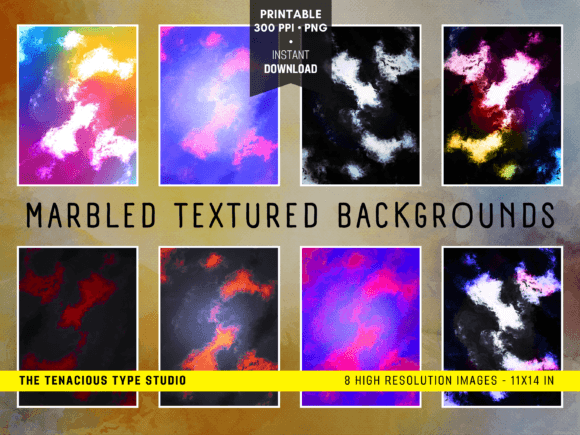
Marbled sublimation backgrounds are high-resolution PNG images that mimic the organic, flowing patterns of traditional marbling techniques. These designs are created using advanced digital methods to ensure they are both visually striking and technically precise. The result is a collection of textures that can be seamlessly integrated into various design applications without compromising quality.
These backgrounds are particularly well-suited for sublimation printing, where vibrant colors and detailed patterns are transferred onto fabric, ceramics, and other surfaces. However, their versatility extends beyond physical media, making them valuable assets in digital design as well.
Strategic Uses of Marbled Sublimation Backgrounds
When used thoughtfully, marbled sublimation backgrounds can support a wide range of creative and business goals. Here are some key areas where these textures can make a meaningful difference:
- Branding and Marketing: Incorporate marbled backgrounds into logos, packaging, and promotional materials to create a distinctive visual identity. Their dynamic patterns can convey creativity, sophistication, and attention to detail—qualities that resonate with consumers.
- Website Design: Use these textures as background elements for websites, landing pages, or e-commerce platforms. The organic feel of marbled patterns can make digital spaces feel more engaging and less rigid.
- Digital Art and Illustration: Artists can use marbled sublimation backgrounds as foundational layers in digital paintings or illustrations. They provide a rich, textured base that enhances the overall composition and adds dimension to the artwork.
- Print and Product Design: From apparel to home décor, marbled sublimation backgrounds offer endless possibilities for product customization. Their versatility allows for creative experimentation while maintaining a cohesive aesthetic.
Planning Your Approach: When and How to Use Marbled Sublimation Backgrounds
Before integrating marbled sublimation backgrounds into your projects, it's essential to consider the context and purpose. These textures work best when they complement the overall design rather than overpower it. Here are some practical tips to guide your decision-making:
- Define Your Goals: Are you aiming to create a bold statement or a subtle enhancement? Understanding your objective will help you choose the right texture and intensity.
- Consider Color Harmony: Marbled backgrounds come in a variety of color schemes. Selecting one that aligns with your brand colors or project palette ensures a cohesive look.
- Evaluate Scale and Resolution: High-resolution PNG files are crucial for maintaining clarity, especially in print or large-format designs. Always check the resolution before finalizing your choice.
- Balance Complexity and Simplicity: While marbled textures are visually rich, they should not compete with other design elements. Use them as backdrops or overlays to maintain visual hierarchy.
Practical Applications and Real-World Examples
The beauty of marbled sublimation backgrounds lies in their adaptability. Here are a few real-world examples of how they can be applied effectively:
- Graphic Design: A greeting card designer might use a soft marbled background to create a sense of elegance and movement, making the text stand out while adding visual interest.
- Web Development: A portfolio website could feature a marbled background in its hero section, creating an immersive experience that reflects the designer’s creative personality.
- Product Packaging: A boutique clothing brand might use marbled sublimation backgrounds on fabric tags or hangtags to give their products a unique, artisanal feel.
- Interior Design: Digital artists working on virtual interior design projects can use marbled backgrounds as wall textures, adding depth and character to digital spaces.
Potential Risks and Considerations
While marbled sublimation backgrounds offer numerous benefits, there are potential risks to be aware of. Using them without a clear strategy can lead to cluttered or unbalanced designs. Additionally, if the texture is too busy, it may distract from the main message or content.
To avoid these pitfalls, always test your designs across different platforms and devices. Ensure that the background does not interfere with readability or usability. It's also important to respect copyright and licensing agreements when using digital assets, especially for commercial purposes.
Maximizing Long-Term Value
Incorporating marbled sublimation backgrounds into your creative workflow can yield long-term value by enhancing your design capabilities and supporting consistent branding. These textures are not just one-time-use assets; they can be repurposed and adapted for future projects, offering a sustainable investment in your creative toolkit.
By building a library of high-quality marbled sublimation backgrounds, you can streamline your workflow and reduce the need for custom design work. This not only saves time but also ensures a level of consistency across all your projects.
Conclusion
Marbled sublimation backgrounds are a powerful resource for designers, creators, and entrepreneurs looking to elevate their visual storytelling. Their intricate patterns and versatility make them ideal for a wide range of applications, from branding to digital art. By using them strategically and thoughtfully, you can create compelling designs that resonate with your audience and support your long-term creative goals.